
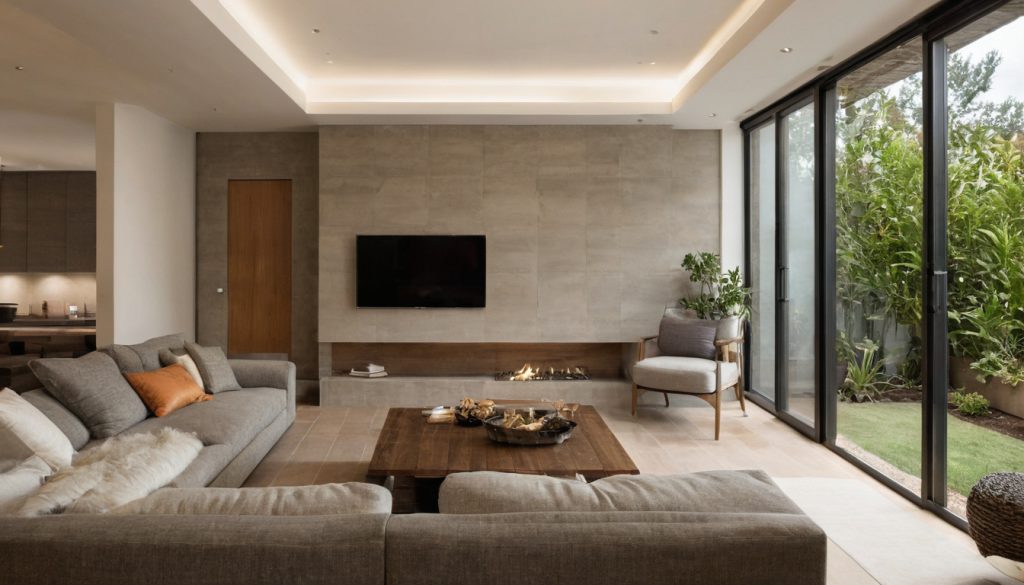
The affordable rug becomes expensive when it is too small for the seating area, curls under daily traffic, and costs almost as much to return as it did to buy. A home decor budget should buy fewer attractive objects and more complete functional improvements. The first purchase belongs wherever the household has its highest-cost recurring problem, not wherever a surface looks empty.
How should a household rank competing home decor ideas?
A home decor budget should first fund changes that improve a frequently used room, solve a functional problem, and resist early replacement. Visibility matters, but daily frustration, maintenance, safety, and the cost of correcting a mistake matter more.
A six-factor decor score separates high-impact purchases from attractive extras
This 100-point editorial score applies to movable decor, paint, lighting, window treatments, rugs, hardware, and selected furniture, not structural renovation. It is a decision aid, not an industry standard.
- Daily use: 25 points. Frequent contact creates more opportunities for comfort or frustration.
- Functional benefit: 20 points. Reward improvements to lighting, privacy, storage, circulation, or cleanability.
- Replacement penalty: 20 points. Score costly, difficult-to-return mistakes highest.
- Expected service life: 15 points. Favor durable materials suited to household routines.
- Visibility: 10 points. Give shared and frequently seen spaces more weight.
- Maintenance burden: 10 points. Higher scores indicate easier care and fewer recurring costs.
Rate each factor from 1 to 5: 1 is low, 3 is moderate, and 5 is high. Convert each rating proportionally to its weight. Under identical room, budget, and occupancy assumptions, washable paint scoring 5, 4, 4, 4, 5, and 4 earns 87 points. Decorative objects scoring 2, 2, 2, 3, 4, and 3 earn 49.
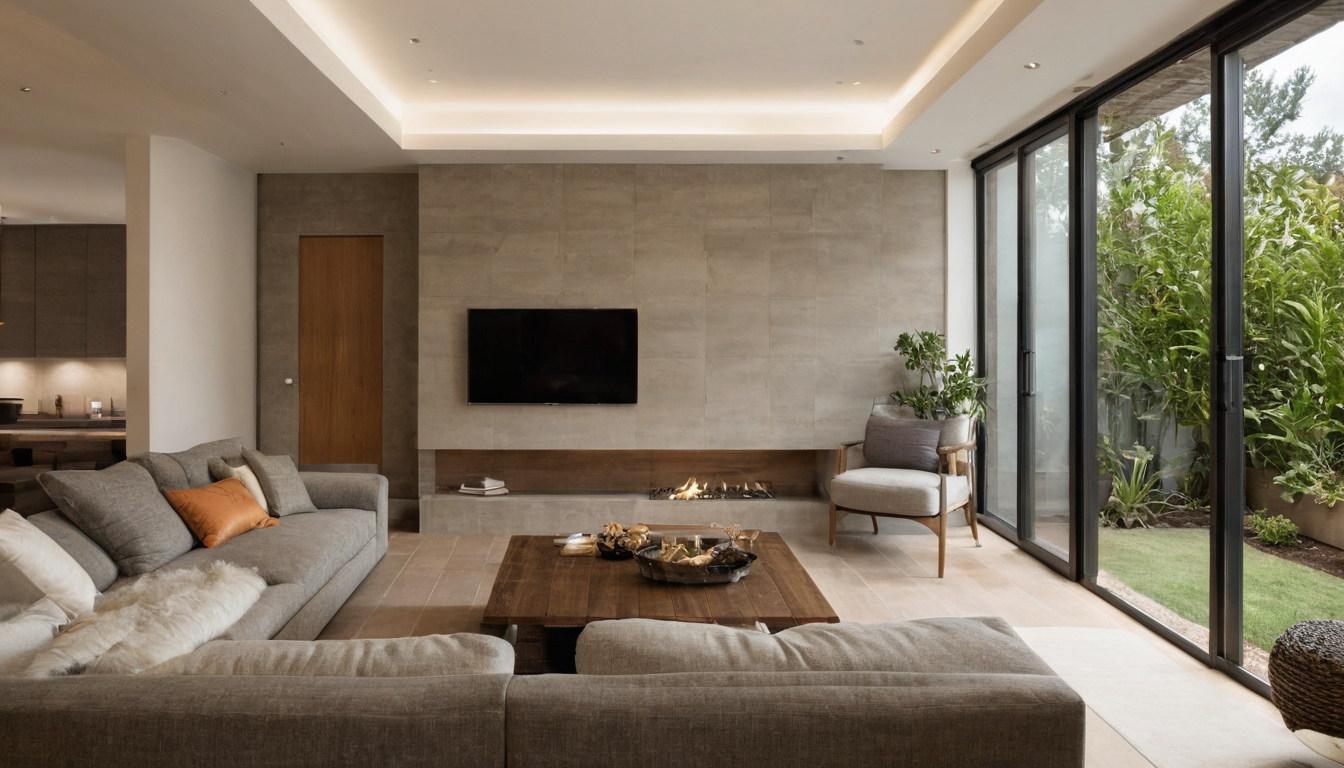
How should a household rank competing home decor ideas shown as an editorial reference for proportion and finish coordination.
| Room | Problem to score first |
|---|---|
| Living room | Lighting, layout, seating wear |
| Entry | Clutter and tracked-in dirt |
| Primary bedroom | Privacy and bedside function |
| Children’s room | Stability, growth, cleaning |
| Kitchen | Visibility and cleanability |
| Dining area | Actual seating frequency |
| Bathroom | Moisture and ventilation |
| Home office | Task lighting and storage |
Renters should reduce scores for property-specific work and reward portable purchases. An expected stay under three years favors easy removal and resale. Children and pets increase the value of stability, washability, and replaceable components. For products that emit volatile organic compounds, the U.S. Environmental Protection Agency recommends increased ventilation during use.
Paint decisions also need more than a color preference. A New York State mechanical-painting specification, while not a standard for residential walls, demonstrates the value of identifying the manufacturer-recommended primer for each paint and substrate and reviewing the complete available color range.
Cost per year of use exposes false bargains in home decor
Annualized cost equals purchase price plus supplies, installation, and expected maintenance, divided by conservative years of use. Estimate those years from warranties, material specifications, care instructions, and realistic household wear. Service life remains conditional, not guaranteed.
The score identifies what deserves attention. The next step prevents spending on decor before repairs, measurements, and a room plan are complete.
The correct decorating order starts with repairs, measurements, and a room plan
The correct order is to repair, measure, plan circulation, establish lighting and color, then buy large items, textiles, art, and accessories. This sequence assumes the home’s major systems are sound. Leaks, unsafe wiring, unstable furniture, hazardous cords, and other safety defects override every decorative priority.
What must be fixed before decorative spending begins?
- Clear and assess the room. Remove clutter, identify what will remain, and separate cosmetic wear from active damage.
- Resolve safety and moisture problems. Ask a qualified electrician to inspect sparking outlets, hot switches, or damaged wiring. Use the appropriate plumber, contractor, or indoor-environment professional for persistent leaks, structural movement, or unexplained contamination. The EPA guide to mold and moisture advises fixing wet or damp areas promptly rather than concealing them.
- Control household hazards. Anchor unstable storage furniture where appropriate, secure loose rugs, and replace hazardous window-covering cords, especially around children. Decorative screening must never hide a defect.
- Confirm renter permissions. Renters should obtain written approval before painting, drilling, changing hardware, or replacing wired fixtures, and should document any restoration terms.
This planning process cannot diagnose structural, electrical, moisture, or indoor-air-quality problems. Visible warning signs require qualified assessment before room decorations enter the budget. Households displaying valuable collections may also consult the National Park Service Museum Handbook for conservative guidance on preservation, documentation, access, and use, rather than treating ordinary residential decor advice as collection-care guidance.
A measured room layout should come before furniture and rug orders
Measure wall lengths and ceiling height first, followed by doors, windows, outlets, switches, vents, radiators, and fixed cabinetry. Record door swings, curtain width and drop, rug boundaries, walking routes, existing furniture, and the narrowest delivery path from the entrance to the room.
Plot those measurements on paper or in a layout tool, then test lighting, palette, large furniture, rugs, textiles, and accessories in that order. Retailer planners and checking a 3D room plan before approving purchases can clarify scale, but neither replaces verified site measurements.
With the room’s constraints settled, the next decision is where lighting, layout, and hard-wearing surfaces earn priority in living rooms and entries.
Living-room and entry decor should prioritize lighting, layout, and hard-wearing surfaces
Living-room and entry spending should usually correct inadequate lighting, awkward furniture placement, exposed windows, and surfaces that receive daily wear before funding decorative objects. Formal rooms used rarely deserve less money unless frequent hosting or first-impression value is a defined household priority.
Which living-room upgrade delivers the greatest daily improvement?
| Recurring problem | First category to fund | Cost and care check |
|---|---|---|
| Dimness or reading difficulty | Ambient ceiling or floor lighting, plus a task lamp | Compare light output, bulb limits, dimming, cord placement, and replacement bulbs. |
| Television glare | Adjustable lamps or lined curtains | Test light and fabric samples at the actual viewing hour. |
| Insufficient seating | Rearrangement first, furniture second | Measure circulation and delivery routes before ordering. |
| Visual clutter | Closed storage | Choose wipeable surfaces and anchor tall units where appropriate. |
| Cold or noisy flooring | Properly scaled rug and nonslip pad | Favor cleanable, lower-pile construction for pets, children, or mobility needs. |
| Poor privacy | Window covering and secure hardware | Check washing instructions, stack width, and child-safe operating design. |
| Disconnected colors | Washable paint or repeated existing colors | Sample before repainting. Accessories alone rarely repair a fragmented palette. |
Layered lighting should support circulation, conversation, reading, and television viewing rather than produce one bright pool overhead. Where qualified products fit the fixtures, ENERGY STAR LED guidance states that qualified LEDs use at least 75 percent less energy and can last up to 25 times longer than incandescent lighting.
When does living-room furniture deserve priority over room decorations?
Furniture belongs ahead of room decorations when seating is unstable, painful, too large for safe circulation, too small for regular users, or unable to support the household’s daily activities. A sound sofa with tired styling usually needs rearrangement, cleaning, repair, or new textiles rather than replacement.
Before buying, record wall lengths, door swings, vents, outlets, delivery clearances, and the space needed around tables. Readers considering a major seating change can review choosing living-room furniture when a small sectional is under consideration.
Entry decor earns its budget by controlling clutter and tracked-in dirt
Entry spending should begin with an absorbent mat, washable runner, hooks, or closed shoe storage matched to local weather and household habits. Snow, rain, muddy paws, and apartment-scale floor plans make cleanability and shallow storage more valuable than baskets of accessories.
Narrow entries also need unobstructed door movement, anchored mirrors or tall cabinets, flat rug edges, and clear walking space. For accessible planning, the 2010 ADA Standards use a 30 by 48 inch clear floor space for wheelchair positioning, although residential requirements depend on the home and jurisdiction.
After these public-facing rooms work properly, the next priority is more private: bedroom spending should support sleep, privacy, and manageable storage.
Bedroom decor budgets should favor sleep support, privacy, and manageable storage
Bedroom decor spending should first improve light control, bedside lighting, storage, and frequently handled textiles rather than fund matching accessories. This order suits bedrooms used nightly. A guest room can rely more on existing furniture and simple styling unless the space also functions as an office, playroom, or regular family room.
Primary-bedroom spending should fix light control and bedside function first
Prioritize the problem that interrupts the nightly routine. Choose room-darkening treatments when exterior light is intrusive, privacy treatments when the window is exposed, and a reachable bedside lamp when reading or moving around after dark is difficult. Check opacity, mounting depth, dimensions, cleaning instructions, and whether the treatment can be installed without permanent alterations.
Paint and washable bedding often provide a lower-risk visual change than replacing sound furniture. Before buying paint, upholstered headboards, or other new finishes, review product labels and allow for the required airing and curing time. The U.S. Environmental Protection Agency’s indoor air guidance identifies paints, furnishings, building materials, and several household products as potential indoor sources of volatile organic compounds.
Children’s room decorations must account for stability, growth, and cleaning
Stability outranks theme. Anchor dressers and tall storage where the wall and furniture permit, keep climbable objects away from windows, and favor cordless window coverings. A rental restriction does not make unstable furniture acceptable. Use lower storage or seek an approved anchoring method instead.
Washable paint, machine-washable curtains, securely bound rugs, and bedding that tolerates routine laundering usually earn money before character-shaped shelves or coordinated room decorations. Adaptable colors and replaceable art can follow a child’s changing interests without forcing an early furniture replacement.
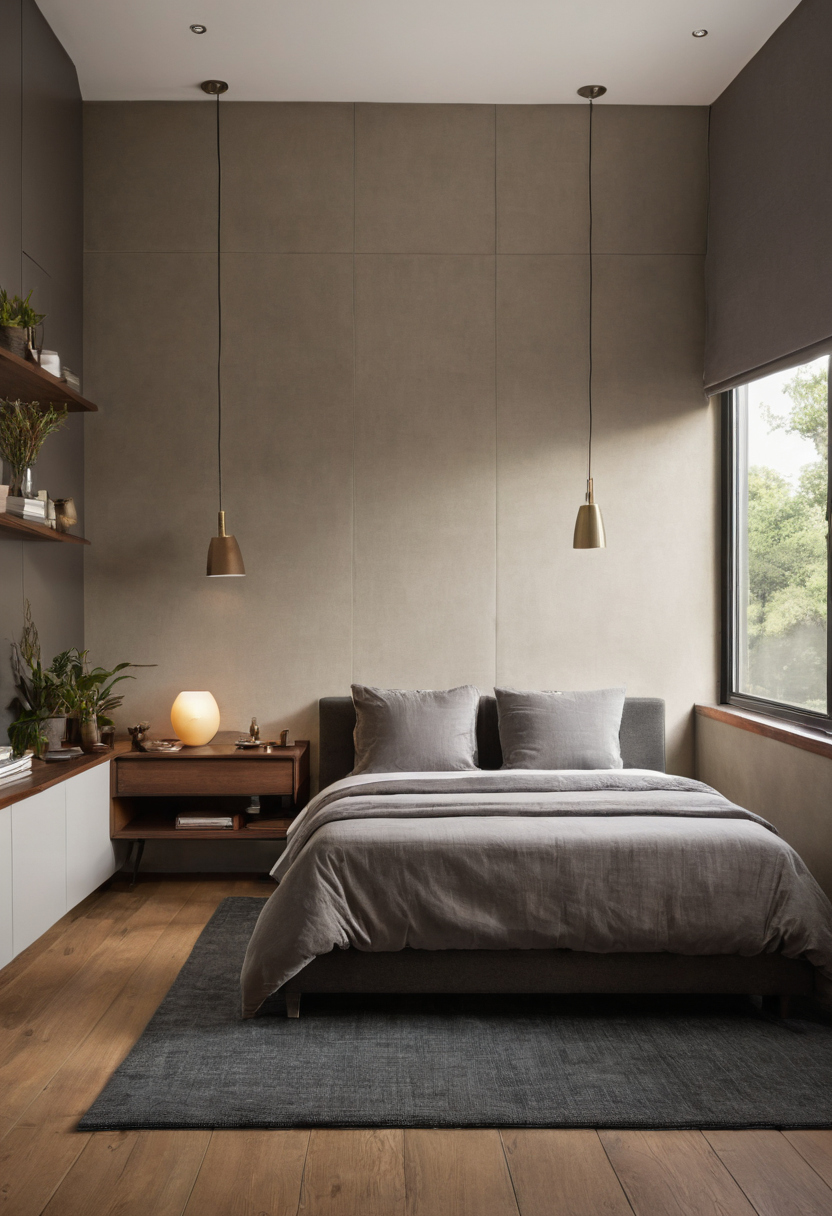
Bedroom decor budgets should favor sleep support, privacy, and manageable storage shown with finish, fixture, and clearance relationships visible.
Guest-room decor can wait unless the room performs another daily job
A lightly used guest room should receive only what supports safe, comfortable use: a sound bed, clear walking space, working light, privacy, and somewhere to place clothing. Reuse lamps, linens, frames, or a small table from elsewhere before buying a matched set.
A dual-purpose bedroom deserves more investment when work equipment, household overflow, or frequent guests create a recurring storage or lighting problem. The tougher budget test moves to kitchens, dining rooms, and bathrooms, where moisture, grease, and repeated cleaning expose weak purchases quickly.
Kitchen, dining-room, and bathroom decor should withstand moisture, grease, and repeated cleaning
Kitchen, dining-room, and bathroom budgets should favor durable lighting, washable finishes, practical hardware, and replaceable textiles before fragile accessories. Moisture, grease, spills, and frequent cleaning make finish specifications, installation requirements, and care instructions more valuable than trend appeal.
Kitchen decor should improve visibility and cleanability before adding countertop objects
Kitchen spending should first correct dim work areas, stained walls, and awkward hardware. Check a paint manufacturer’s technical sheet for coverage, use restrictions, substrate preparation, application methods, storage, shelf life, primer compatibility, cleaning instructions, and kitchen suitability.
Although written for mechanical equipment rather than residential walls, the New York State mechanical-painting specification illustrates disciplined selection. The specification requires cross-referenced schedules identifying substrates, locations, products, manufacturers, recommended primers, product numbers, and colors. It also requires samples showing the unpainted substrate and each primer and finish coat. Under that specification, a finish-paint system combines compatible primers and finish paint made or recommended by the finish-coat manufacturer.
Cabinet pulls require measured hole spacing, comfortable grip, and a finish that tolerates routine wiping. Renters should retain the original hardware and avoid drilling new holes without permission. Hardwired lighting changes require landlord approval where applicable and may require a licensed electrician under local rules.
Dining-room spending should follow actual meal frequency and seating needs
A daily dining area deserves stable chairs, a wipeable surface, washable textiles, and lighting centered on the table’s real position. An occasional dining room can wait. Measure chair pullout space, circulation routes, rug coverage, and fixture location before ordering. For households planning accessible dining, the 2010 ADA Standards place accessible dining and work surfaces 28 to 34 inches above the finished floor. Residential needs still depend on the user and layout.
Bathroom decor must not conceal ventilation, moisture, or electrical problems
Bathroom paint, mirrors, lights, runners, and window treatments must suit their location and care routine. Persistent condensation, peeling finishes, soft surfaces, recurring stains, loose fittings, or musty odors are repair signals, not decorating opportunities. The U.S. Environmental Protection Agency advises fixing wet or damp spots promptly. Plumbing, ventilation, waterproofing, and electrical defects belong with a landlord or qualified professional.
Once those foundations are sound, the easiest savings become clear: trend-led accessories and matched sets are the safest purchases to postpone.
Trend-led accessories and matched sets are the safest home decor purchases to postpone
Purely cosmetic accessories should wait while a room still lacks adequate lighting, privacy, storage, safe circulation, or durable surfaces. Trend-led colors, matched sets, oversized art, and single-purpose organizers create greater replacement risk when measurements and routines remain unsettled.
Which room decorations create the highest replacement risk?
Stop buying items whose success depends on uncertain scale, demanding care, or short-lived taste:
- duplicate vases, trays, baskets, and pillows;
- undersized rugs and unmeasured curtains;
- organizers purchased before sorting possessions;
- delicate textiles that conflict with children, pets, or cleaning routines;
- matched accessory sets and trend-specific objects.
Large rugs, mirrors, assembled furniture, clearance goods, and custom window treatments deserve extra caution because return shipping, delivery charges, restocking fees, assembly, or final-sale terms can turn a mistake into a costly one. Color preference is personal. A loose rug, unstable mirror, top-heavy furniture, burning candle, or accessible window-covering cord presents a separate safety concern.
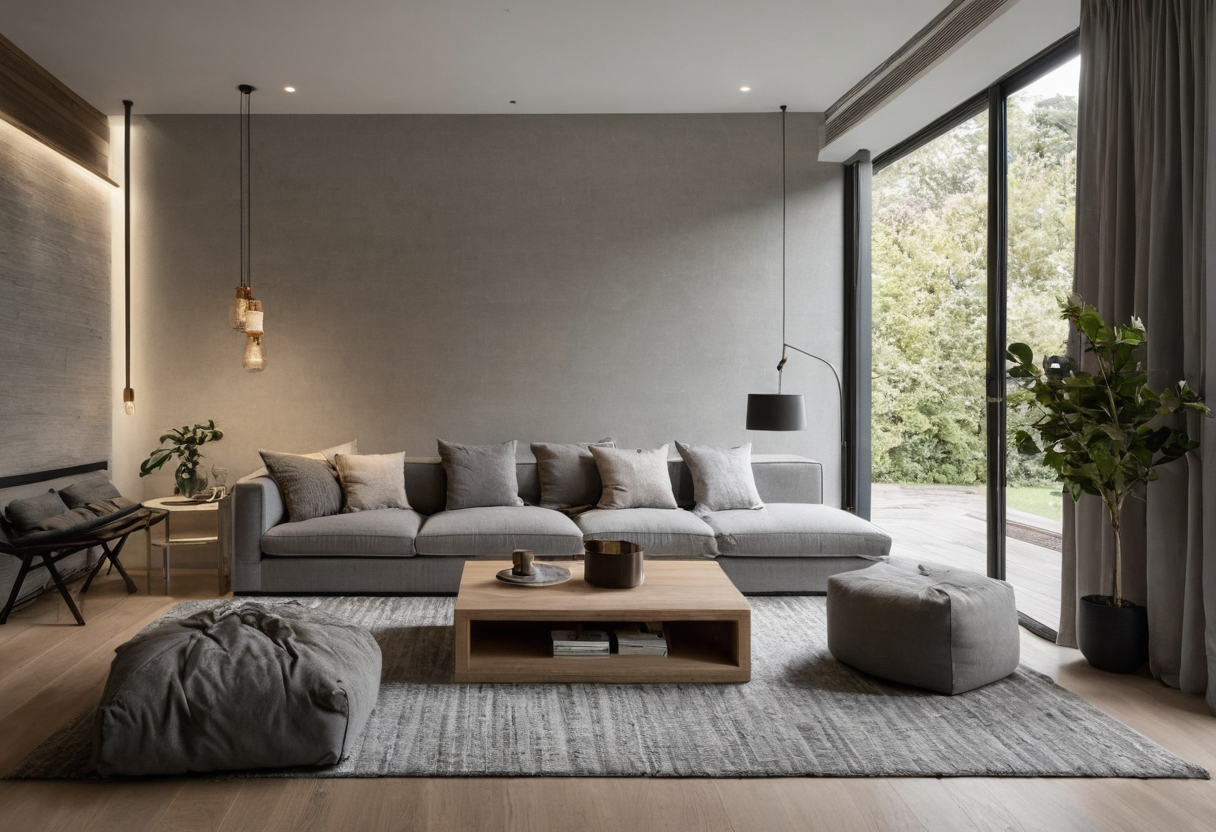
Trend-led accessories and matched sets are the safest home decor purchases to postpone shown with finish, fixture, and clearance relationships visible.
The 24-hour and sample-first rules reduce expensive decor mistakes
For a nonessential purchase, wait at least overnight, then confirm dimensions, material or paint samples, care instructions, return terms, installation needs, and compatibility with existing furnishings. Extend the pause for custom, final-sale, oversized, assembled, or hardwired products. This waiting period is an editorial budgeting tool, not a consumer standard.
An inexpensive accessory is reasonable once the room already works and the item is easy to maintain, move, return, or replace. The stronger next step is to fund one complete improvement before scattering the remaining budget across small objects.
A phased room-by-room budget should fund one complete improvement before scattered accessories
A workable plan directs most available money toward one high-scoring household problem, reserves money for installation and corrections, and postpones unrelated accessories. The $500, $1,500, and $5,000 allocations below are editorial scenarios for U.S. households, not market averages or promises of current local project costs.
What should a $500 home decor budget accomplish first?
A $500 budget should complete one compact improvement: better entry storage, washable wall color, bedside lighting, or ready-made light control.
- $300 foundation: one lamp plus two standard ready-made curtain panels and one rod, or one gallon of paint with basic preparation supplies.
- $100 durable layer: washable mat, compact shoe rack, cabinet hardware, or a machine-washable textile.
- $100 reserve: tax, delivery, missing supplies, returns, or minor corrections.
Renters should favor portable lamps, removable treatments, and freestanding storage unless the lease permits paint or drilling. Owners can redirect the foundation allowance toward installed hardware or paint. Homes with children or pets should prioritize stable storage, washable finishes, secured furniture, and slip-resistant surfaces. Moisture, unsafe wiring, loose railings, or unstable furniture should redirect the budget to maintenance or safety.
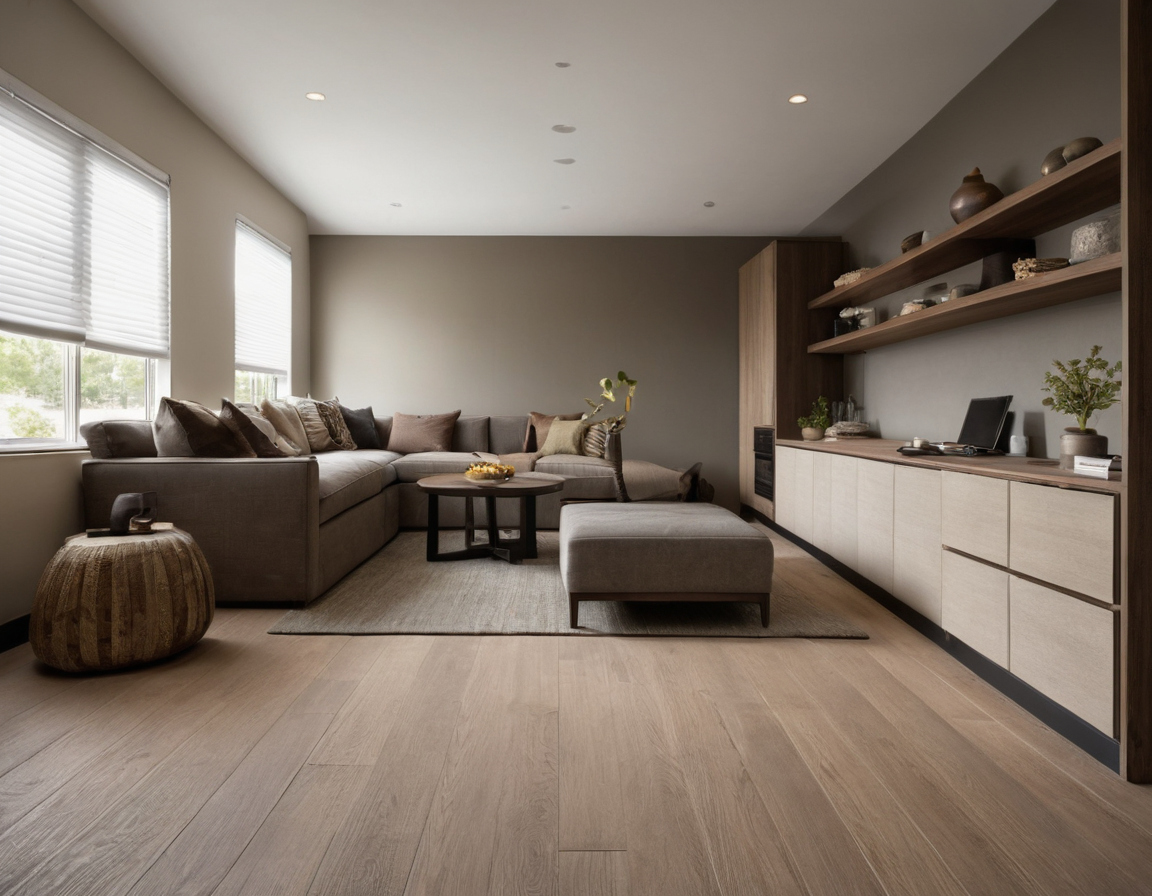
A phased room-by-room budget should fund one complete improvement before scattered accessories shown as a planning reference for layout, scale, and material decisions.
How should $1,500 or $5,000 be divided across rooms?
An illustrative $1,500 plan assigns $850 to one functional foundation, $300 to a durable visual layer, $100 to accessories, and $250 to installation and contingency. A $5,000 plan can assign $2,700 to one high-use room, $1,200 to a second room, $300 to accessories, and $800 to delivery, tax, installation, returns, and corrections.
Owners may include hardwired lighting or fitted window treatments after checking installation requirements. Renters should avoid custom treatments with poor portability and confirm permission before painting or drilling. Both scenarios exclude appliances, renovation work, structural repair, and concealed site problems.
Annualized cost keeps the comparison honest. A $300 functional purchase used conservatively for 10 years costs $30 per year before maintenance. A $40 trend-led accessory replaced every two years costs $20 per year. Service life remains conditional on care and household use.
- Name the recurring household problem.
- Score the affected room.
- Measure the room, openings, and delivery path.
- Check current prices, care needs, and return terms.
- Purchase one complete improvement.
- Record cleaning, repair, and replacement plans.
The practical rule is simple: finish the highest-value improvement before filling the next empty surface.