
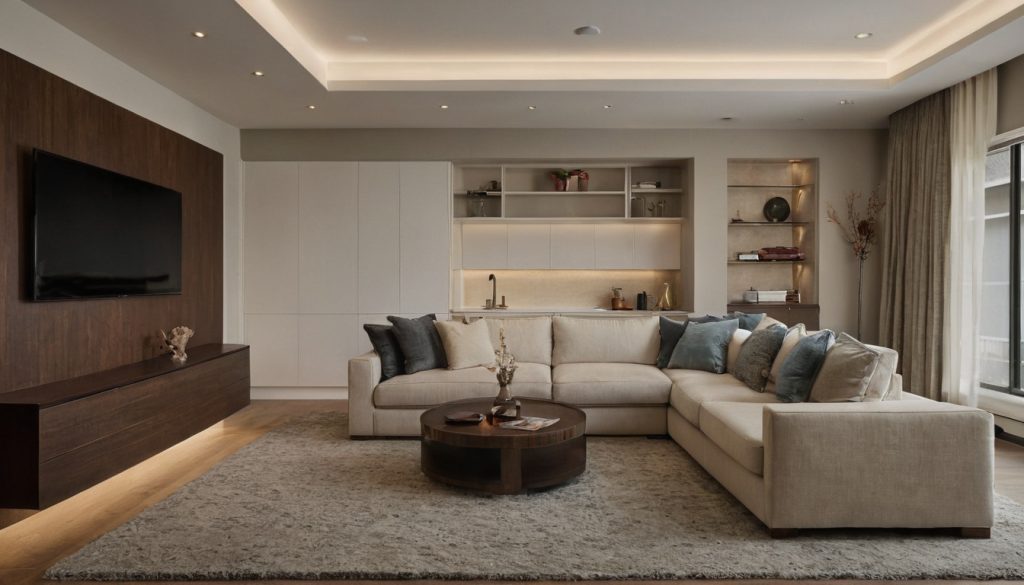
A small sectional sofa can solve a seating problem or create a traffic problem. Before ordering, test whether the room can still handle doors, TV viewing, storage, cleaning, delivery, and daily movement.
Should a small sectional sofa be the main living room furniture choice?
A small sectional sofa is the right main living room furniture choice when it seats the household without blocking doors, walkways, windows, heating units, or TV sightlines.
A small sectional sofa works when seating demand is fixed and wall space is limited
A compact sectional often makes sense in a rental apartment, narrow rowhouse living room, open-plan condo, family TV room, or multipurpose playroom where the same people sit in the same place most nights.
- Choose a small sectional sofa when a footprint around 78 to 92 inches wide, 34 to 40 inches deep, and 58 to 68 inches on the chaise side gives more usable seating than a sofa and two loose chairs.
- Choose an L-shape or chaise when movie nights, children, pets, or occasional overnight guests matter more than frequent rearranging.
- Keep the sectional against the longest usable wall if that wall does not steal the main walkway.
Separate living room furniture works when the room needs flexible circulation
A loveseat, apartment sofa, chair, and ottoman often work better when the room has two entries, balcony doors, a fireplace wall, or awkward corners. Compare a 52 to 64 inch loveseat, a 70 to 78 inch apartment sofa, and a 28 to 34 inch accent chair before assuming one sectional saves space.
What measurements decide whether a small sectional sofa actually fits?
A small sectional sofa actually fits only when the footprint, chaise direction, walkway, coffee-table gap, TV distance, and delivery route all work at the same time.
Measure the small living room as a path before measuring it as a rectangle
The route through the room matters more than square footage. Mark the path from the entry door to the hallway, kitchen, stairs, balcony, media wall, and any closet or sliding door. A main walkway usually needs about 30 to 36 inches. A secondary squeeze point can work closer to 24 inches if nobody carries bulky items through it daily.
- Door swings: measure the full arc of entry, closet, and cabinet doors.
- Window treatments: leave hand access for curtains, blinds, and cleaning.
- Vents and radiators: keep airflow and service access open.
- TV wall: check viewing distance, outlets, and media storage access.
Use a taped floor template before ordering a small sectional sofa
A taped template turns a floor plan into a daily-life test. Compact sectionals often run roughly 78 to 96 inches wide, with a chaise depth around 55 to 70 inches. Apartment sofas, loveseats, swivel chairs, storage ottomans, nesting tables, and C-tables may solve the same seating problem with smaller parts. If comparing a retailer layout or designer mockup, spend a few minutes reading a room plan before approving a layout so the taped version matches the drawing.
- Tape the full outside width and depth of the sectional on the floor.
- Mark the chaise projection and confirm whether left-facing or right-facing works.
- Add the coffee table or ottoman outline, leaving about 14 to 18 inches for knee room.
- Walk the room for two days as if the furniture has arrived.
Check the delivery route before trusting the showroom floor plan
The sofa can fit the room and still fail at the front door. Measure door width, hallway width, stair turns, elevator size, ceiling height at landings, and tight corners. Compare those numbers with assembled dimensions, boxed dimensions, and each modular piece.
If the living room displays delicate art, antiques, or family collections, plan access and protection carefully. The National Park Service Museum Handbook is a useful reminder that furniture should not trap important objects behind a heavy chaise.
Which small living room layout works with a sectional, TV, doors, and windows?
The best small living room layout with a sectional protects the main route first, then aligns the longest seat with the TV, window, or fireplace priority.
A sectional facing the TV works when the main walkway stays behind or beside it
A TV-first layout usually works when the sectional sits on the longest uninterrupted wall and traffic runs behind the back or along the open side of the chaise. A two-doorway room needs more caution because the sectional can create a furniture tunnel.
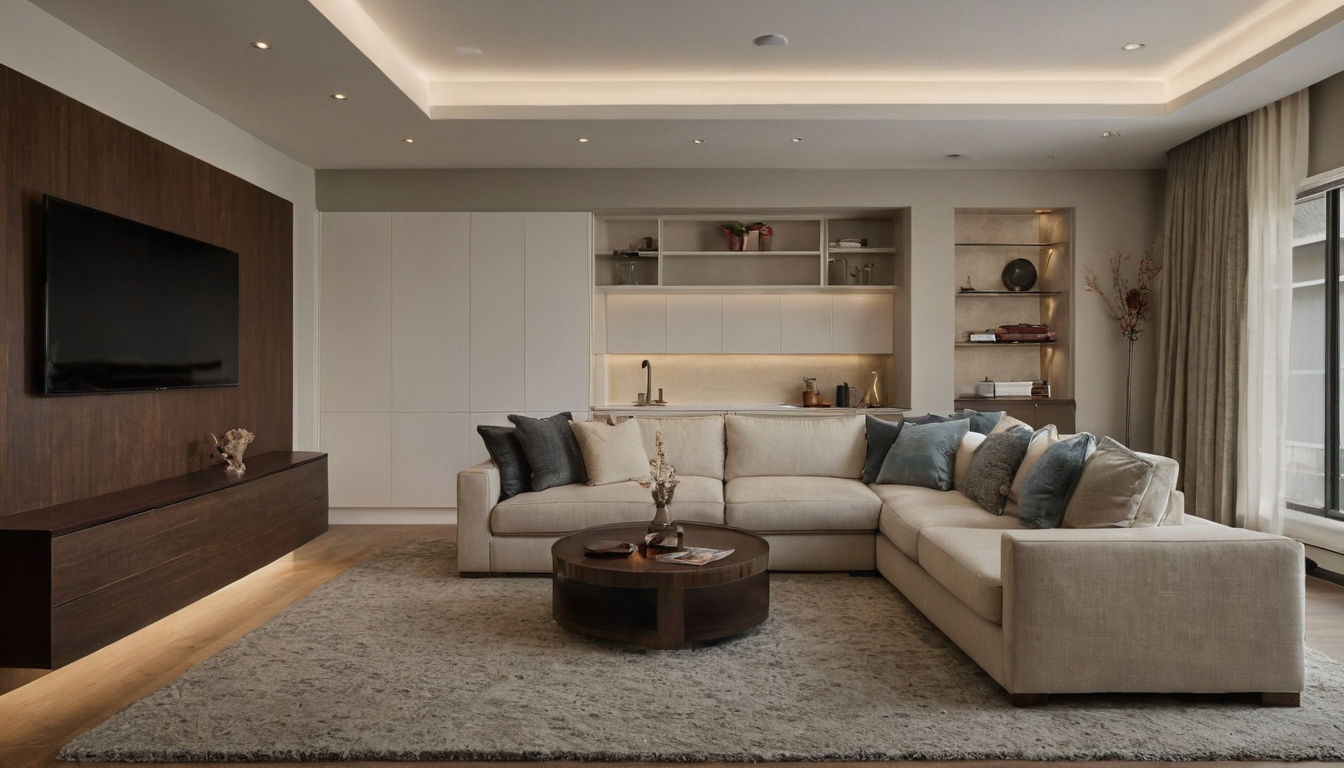
Which small living room layout works with a sectional, TV, doors, and windows shown with floor, wall, and fixture relationships visible.
The TV wall also needs breathing room. A shallow media console often fits better than a deep cabinet. Check glare from windows, outlet access, and TV height from the actual seat cushions.
A sectional with a fireplace works when heat, code, and sightlines are respected
A fireplace layout works when the sectional supports conversation without blocking the hearth. In a narrow room, place the long side of the sectional perpendicular to the fireplace and use a neighboring wall for the TV if glare and outlets allow.
Heat clearance is not a styling preference. The U.S. Fire Administration advises keeping anything that can burn at least 3 feet away from fireplaces, wood stoves, radiators, and space heaters; the appliance manual may require more.
A sectional near windows works when curtains, vents, and cleaning access still function
A window-wall sectional can make a small room feel calm, but the window still has to work. Leave room for curtain panels, blinds, cleaning, airflow, and maintenance. Low-back sectionals usually behave better under windows than tall backs.
New furniture can also affect indoor air quality for a short period; the EPA states that many VOC concentrations are consistently higher indoors than outdoors and identifies furnishings and building materials as possible indoor sources.
What living room furniture should be paired with a small sectional sofa?
Furniture paired with a small sectional sofa should be lighter, movable, and scaled to the remaining clearance, not chosen to fill every open corner.
Choose a coffee table or ottoman that preserves knee room and cleaning access
Leave about 14 to 18 inches between the sofa edge and a coffee table or ottoman. The 2/3 rule can help: a coffee table often looks balanced when it is about two-thirds the length of the sofa run it faces, but clearance matters more in a tight room.
Round and oval tables soften traffic paths. Nesting tables and C-tables take less permanent floor space, while a lift-top table needs extra opening room.
Add one chair only if it creates a real seat, not a blocked corner
An accent chair belongs with a small sectional sofa only when someone can sit, turn, and leave without asking another person to move. If the chair becomes a landing pad for bags, the room probably needs storage instead of another seat.
Use storage furniture where the living room also holds toys, blankets, games, or remotes
Storage furniture should absorb the clutter the sectional invites. A storage ottoman can hold throws, controllers, pet toys, or blankets. A slim media console, usually about 14 to 18 inches deep, can hide remotes, chargers, games, and cords.
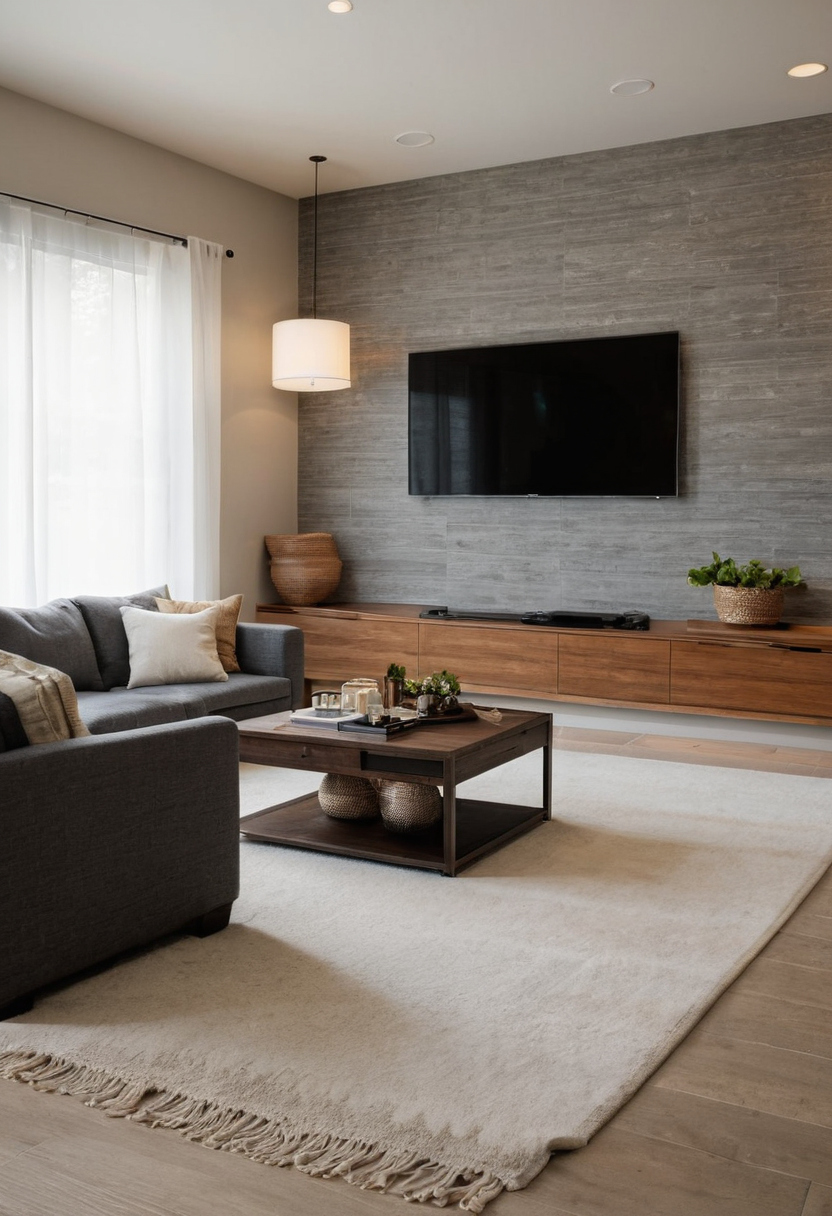
What living room furniture should be paired with a small sectional sofa shown with floor, wall, and fixture relationships visible.
When is a loveseat, chair, or modular setup better than a small sectional sofa?
A loveseat, chair, or modular setup is better than a small sectional sofa when the room has several doorways, uncertain future use, mixed conversation and TV needs, or frequent furniture moves.
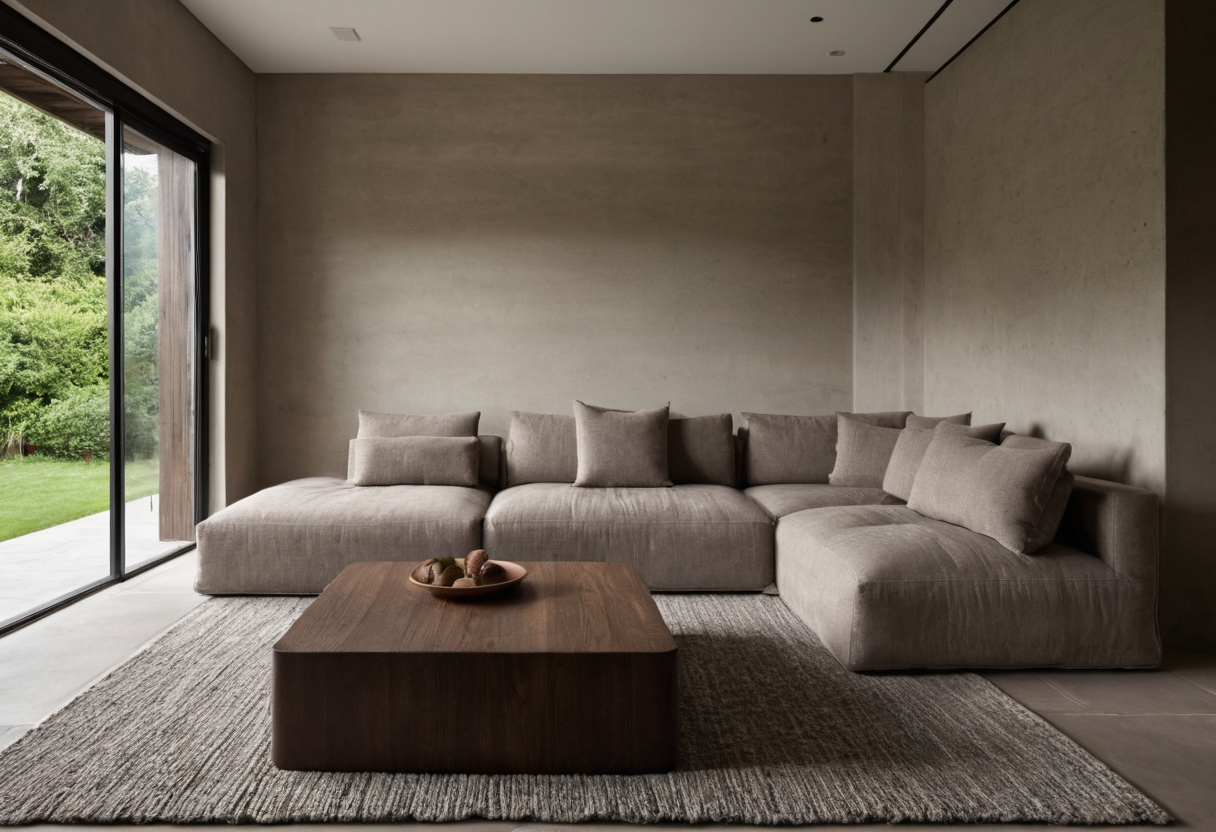
When is a loveseat, chair, or modular setup better than a small sectional sofa shown with floor, wall, and fixture relationships visible.
Choose a loveseat and chairs when the living room needs more than one conversation angle
A loveseat with one or two chairs works well when people face both the TV and each other. Separate seating also helps in rooms with door swings, a desk corner, a pet crate, or a holiday tree.
Choose modular seating when the household expects the room to change
Modular seating fits households that may add baby gear, exercise equipment, guest bedding, or a work-from-home zone. Armless seats, corners, chaises, and ottomans can shift as the room changes, though added modules can cost more than a basic compact sectional.
Modular furniture is most useful when covers, cushions, connectors, and replacement parts are easy to buy later.
Which upholstery, cushions, and legs make small living room furniture easier to maintain?
The easiest small living room furniture to maintain uses durable upholstery, removable cushions or covers, sturdy legs, and enough clearance for vacuuming.
Read upholstery durability terms before choosing a small sectional sofa
Upholstery labels should explain how the fabric handles rubbing, spills, sunlight, and cleaning. A higher double-rub or rub-count rating generally signals better abrasion resistance, but it does not guarantee stain resistance, fade resistance, or pet-proof performance.
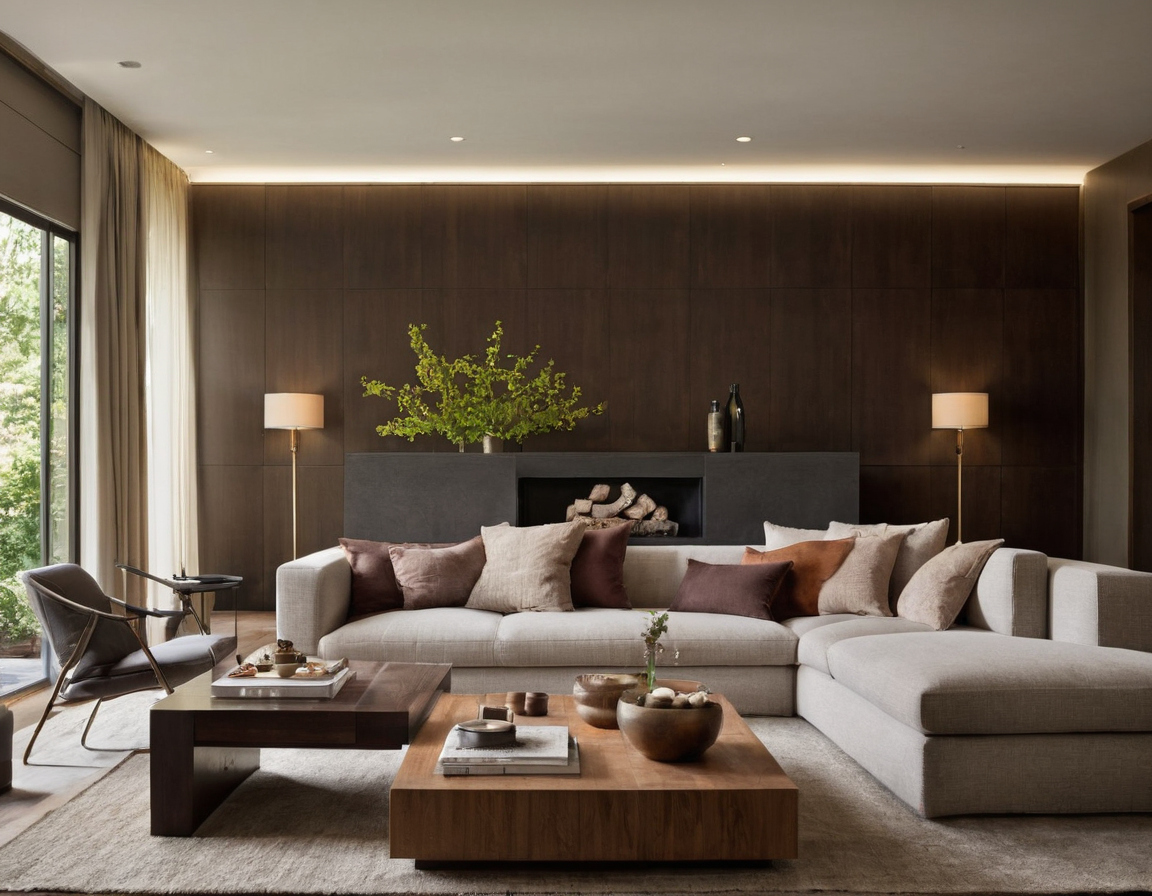
Which upholstery, cushions, and legs make small living room furniture easier to maintain shown with floor, wall, and fixture relationships visible.
Cleaning codes matter because one spill can affect the main seat. W usually means water-based cleaner, S means solvent cleaner, W/S allows either type, and X means vacuuming or professional cleaning only. Loose, reversible cushions give a household more recovery options than fixed cushions.
Choose furniture bases that let the room be cleaned quickly
Furniture bases decide whether crumbs, pet hair, and dust stay visible or trapped. Skirted bases hide mess but slow vacuuming. Exposed legs with practical clearance make weekly cleaning easier, especially near rugs or carpet; this is where choosing carpet color and comfort for a residence connects directly to sofa upkeep.
Robot vacuum owners should check vacuum height against furniture clearance before ordering.
What buying checklist prevents small sectional sofa mistakes?
A small sectional sofa buying checklist should confirm room measurements, household use, delivery access, upholstery care, return terms, and total cost before purchase.
Confirm total cost before comparing living room furniture ideas
Total cost should include the sofa, delivery, assembly, old furniture removal, fabric protection, and return risk. Higher-end choices need the same measurement test, even if the frame and fabric justify higher-end furniture brand considerations.
Return terms matter as much as style. Many sellers set limited return windows, charge delivery or pickup fees, exclude custom upholstery, or apply restocking fees. Warranty language should separate frame coverage, cushion wear, fabric stains, mechanisms, and accidental damage plans.
Use a final yes-or-no test before ordering the small sectional sofa
- Yes or no: Do room length, room width, doorways, halls, stair turns, ceiling height, and elevator openings clear the sofa or boxed modules?
- Yes or no: Do door swings, outlets, windows, vents, radiators, and TV sightlines still work?
- Yes or no: Does the layout keep usable walkways and a comfortable coffee-table gap?
- Yes or no: Does the fabric care code match pets, children, snacks, and cleaning habits?
- Yes or no: Does the final price still make sense after delivery, assembly, haul-away, protection plans, and return costs?
If any answer is no, pause the order and adjust the plan.
FAQ
What furniture should you pair with a small sectional sofa in a small living room?
Pair a small sectional sofa with movable, scaled pieces: a slim coffee table, nesting tables, a storage ottoman, one compact chair if circulation allows, and a shallow media console.
What is the 2/3 rule for furniture, and does it apply to sectionals and coffee tables?
The 2/3 rule suggests a coffee table looks balanced at about two-thirds the length of the sofa run it faces. In a small room, clearance still matters more.
What is the biggest mistake when placing a sectional in a small living room?
The biggest mistake is choosing the sectional by wall length alone. The layout also has to protect walkways, door swings, vents, TV sightlines, and delivery access.
How do you arrange living room furniture with a sectional and a TV?
Place the longest seat where it faces the TV comfortably, then keep the main walkway behind or beside the sectional. Use a shallow media console if the coffee-table zone is tight.
Is a small sectional sofa better than a loveseat and two chairs?
A small sectional sofa is better when the same people use the same seats most nights. A loveseat and two chairs are better when the room needs flexible paths and conversation angles.