
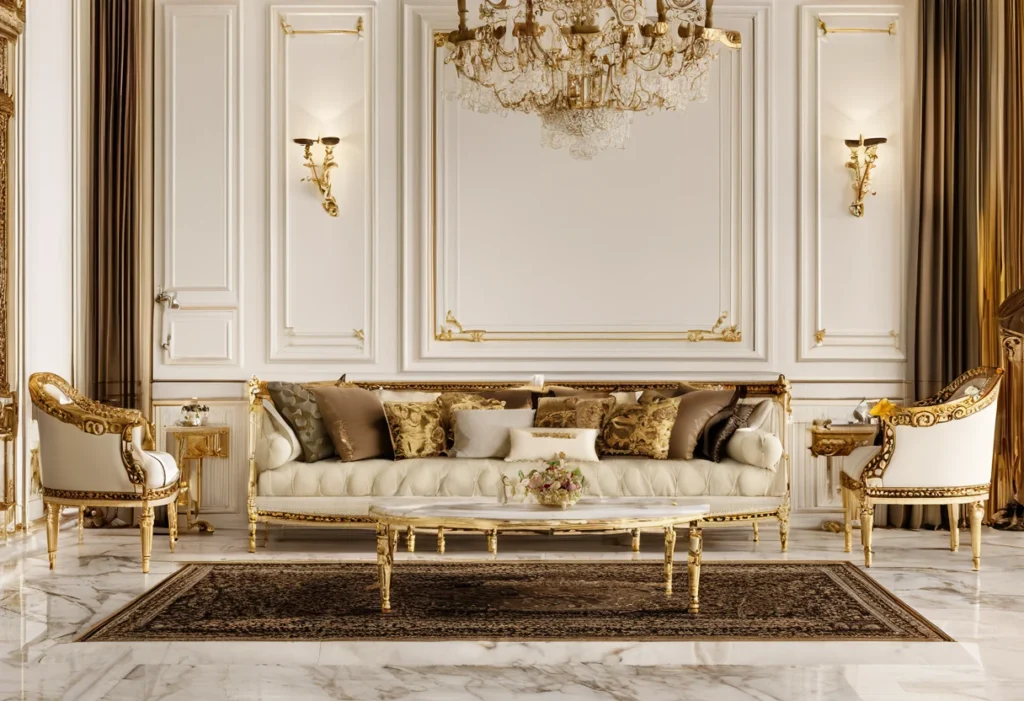
A 3D render is a sales instrument, not a contract document, yet villa clients routinely approve budgets of $1 million to $10 million on the strength of 10 to 20 images. The gap between a flattering render and a binding specification is where most luxury-interior disappointments are born. This guide arms the paying side with a 9-point inspection checklist, each point in the same format: what the image shows, what the image hides, and the question to ask before signing anything. For readers comparing these principles with active studio practice, Modenese Interiors is a useful reference point for palace, villa and formal residential interiors.
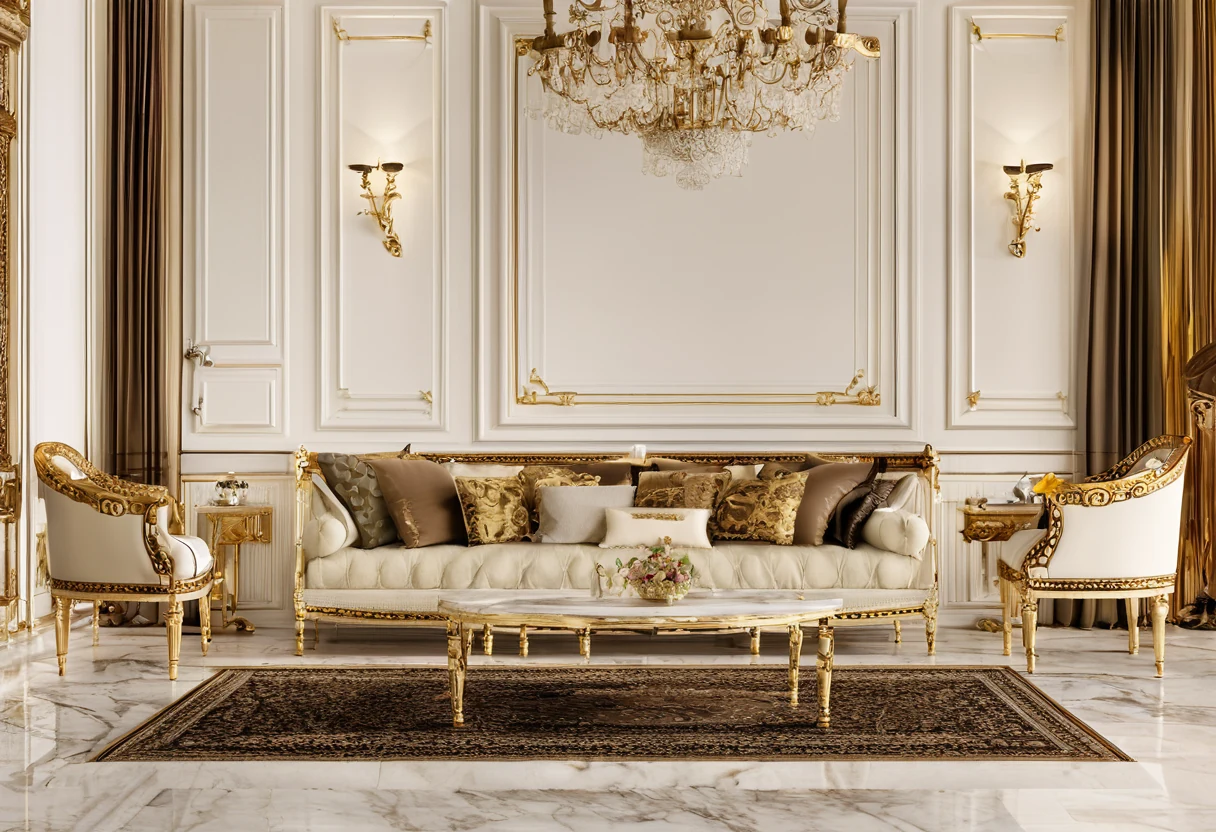
Why a Beautiful Render Is Not a Promise
Rendering software simulates light and materials with full artistic control: the visualizer chooses the sun’s angle, the camera lens, the gloss of every surface and the absence of every cable, vent and junction the finished room must contain. None of that control is dishonest by default; rendering is simply a persuasion medium with the persuasion turned all the way up. The defense is procedural: a render only becomes meaningful when tied to drawings, material schedules and a revision number. The 9 points below perform that tie-down.
The 9-Point Render Inspection Checklist
Point 1: The Human Scale Test
Shown: rooms that feel monumental. Hidden: camera height and lens choice; renders shot at 1.2 meters with wide lenses make a 45-square-meter room read as 70. Ask: “Place a 1.75-meter human figure in every key view, and state the camera height and focal length on each image.” Professional studios render at eye level (1.5 to 1.6 meters) with focal lengths near 24 to 35 millimeters full-frame equivalent; anything wider than about 20 millimeters is stretching the room.
Point 2: The Light Source Audit
Shown: golden-hour sun pouring through windows at the perfect azimuth. Hidden: what the room looks like at noon in August or at 9 p.m. on a circuit of warm LEDs. Ask: “Provide one daylight view at a stated date and time matching the real site orientation, and one night view using only the lighting actually specified in the plan.” A studio that produces both within a week has a real lighting design; a studio that resists has a sun dial set permanently to flattery.
Point 3: The Texture Reality Check
Shown: marble with cinematic veining, flawless book-matching, silk with perfect sheen. Hidden: whether those exact materials exist, in those slab sizes, at the project’s budget line. Ask: “Name the material behind every hero surface: quarry or supplier, product reference, and slab or roll size.” Texture libraries contain thousands of fantasy marbles; quarries contain rather fewer.

Point 4: The Ceiling Interrogation
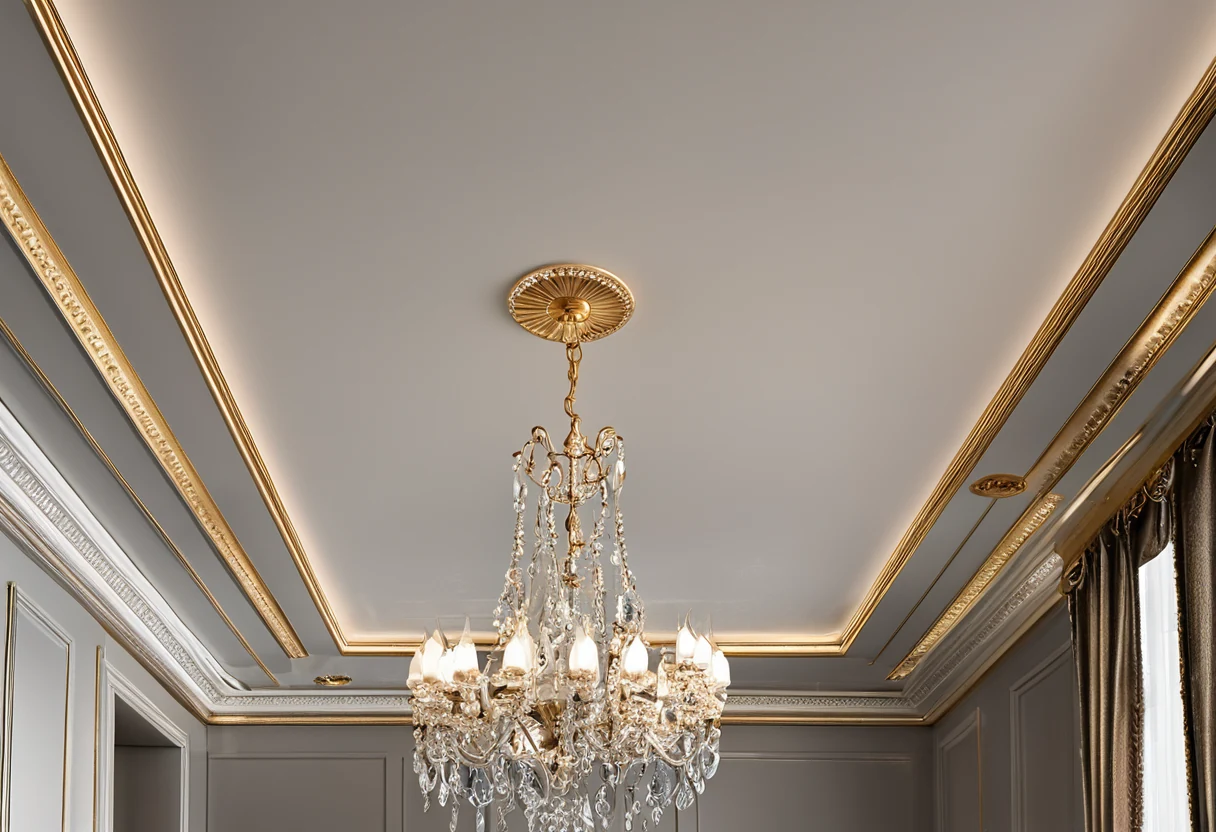
Shown: clean ceiling geometry with glowing coves. Hidden: AC diffusers, sprinkler heads, smoke detectors, access hatches and speaker grilles, all of which are legally or mechanically mandatory. Ask: “Show the render with MEP devices placed per the coordinated ceiling plan.” A ceiling render without diffusers is a ceiling that has not met its engineers yet, and the meeting always costs symmetry.
Point 5: The Impossible Camera Test
Shown: views composed from positions no human will occupy: inside a wall, 4 meters up, or through a removed column. Hidden: the actual standing viewpoints, doorway sightlines and the room as a visitor enters it. Ask: “Render the exact view from the main door at eye level.” The entry view is the one the client will live with; the impossible view is the one used to sell.
Point 6: The Placeholder Furniture Trap
Shown: rooms dressed with high-polygon library models of famous or generic pieces. Hidden: whether those pieces are in the budget, in the FF&E schedule, or in production anywhere on earth. Ask: “Cross-reference every visible furniture piece to a line in the FF&E schedule with supplier and price.” Renders where 30 percent of the furniture is “indicative” are quoting a room that will not be delivered.
Point 7: The Color Calibration Question
Shown: warm, saturated, post-produced color grading. Hidden: the raw output, and how the chosen finishes meter under real light; rendered lamps have perfect color while real LEDs render color with a measurable color rendering index, typically CRI 80 to 95. Ask: “Confirm specified lamp CRI at 90 or above for living spaces, and provide physical samples of the three dominant finishes for approval under site lighting.” Paint approved from a screen is the cheapest mistake to prevent and the most common one made.
Point 8: The Drawing Match Audit
Shown: an image. Hidden: whether the image agrees with the current floor plans, elevations and joinery drawings, or floats free of them. Ask: “Certify in writing that render revision X reflects drawing set revision Y, and list deviations.” Studios that integrate visualization with technical documentation, the model used by practices publishing their 3D render workflows alongside shop-drawing services, can answer this in one sentence, because the render and the drawings come from one coordinated model.
Point 9: The Version and Sign-Off Protocol
Shown: “final render” as an email attachment. Hidden: which of the six circulating versions is contractual. Ask: “Number every issued render, attach the issue date and drawing revision, and append the signed set to the contract as the visual reference standard.” One page of version discipline converts the prettiest sales tool in the industry into the client’s strongest piece of evidence.
The Client’s Mini-Glossary of Visualization Terms
Nine terms cover most conversations with a visualization team. Knowing them changes the negotiation tone immediately.
| Term | What it actually means for you |
|---|---|
| Clay render | Geometry-only gray image; proves the space works before materials seduce anyone |
| PBR materials | Physically based textures; ask whether hero surfaces use measured real products or invented ones |
| HDRI | A photographed sky lighting the scene; ask if the sky matches your site’s orientation |
| Global illumination | Simulated light bounce; realistic, but only as honest as the input lamps |
| FOV / focal length | The lens; wider than ~20 mm equivalent means the room is being stretched |
| Asset library model | A stock furniture stand-in; may not exist in your budget or at all |
| Post-production | Photoshop-stage grading; ask for one raw frame for comparison |
| Draft vs final quality | Noise and resolution tiers; approvals belong on finals at 4K, not on drafts |
| Render-to-drawing revision | The certification that image and technical set agree; the only phrase that makes a render contractual |
A render is the only document in a villa project that is simultaneously the most persuasive and the least binding. The 9 questions above reverse that ratio in roughly one working week, and any studio that welcomes them is telling the client something more valuable than any image: that the built room is expected to survive comparison with the sold one.